Be the
answer
the AI gives.
Search stopped being a list of ten blue links. In Greensboro and across the Triad, more and more queries end in an AI-generated answer — Google’s AI Overviews, ChatGPT, Perplexity — that names a few businesses and sends everyone else nowhere. WinBig does generative engine optimization: the work that makes your business the source those engines quote instead of the one they skip.
The click is disappearing
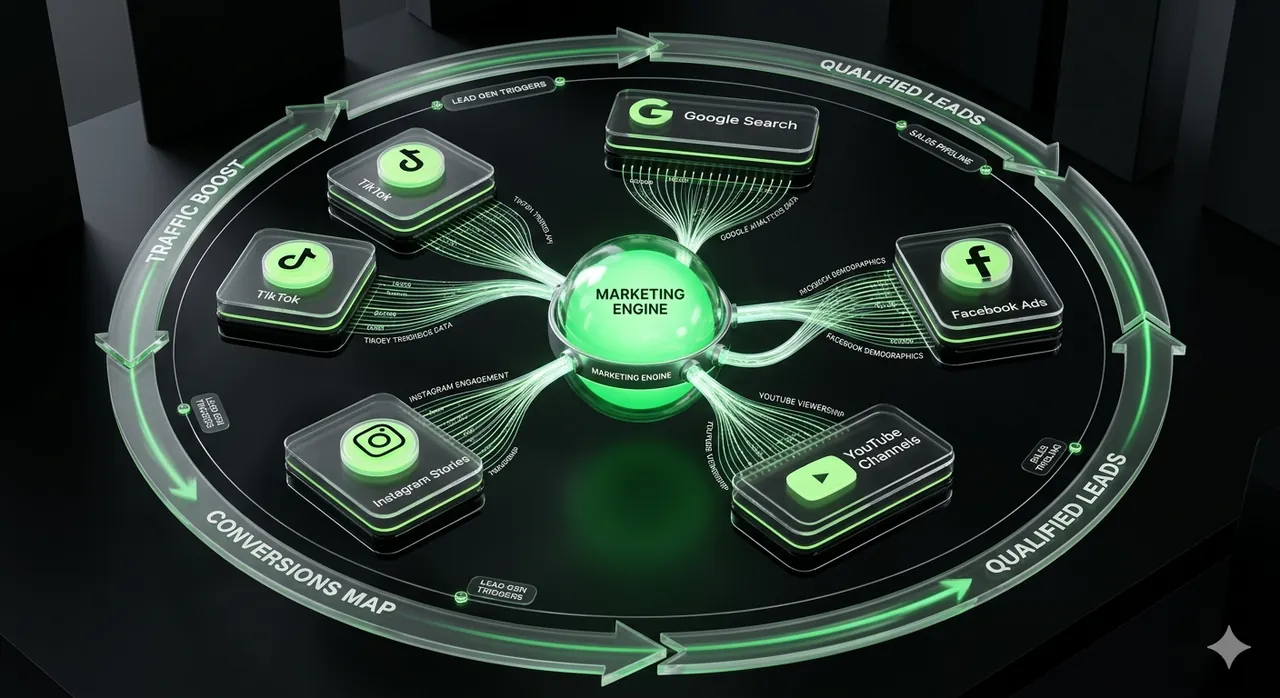
For twenty years, SEO meant one thing: rank in the top few results and earn the click. That deal is changing. When a Greensboro customer asks Google, ChatGPT, or Perplexity a real question now, the engine increasingly writes the answer itself — pulling from a handful of sources it trusts and naming them, while every other page that “ranks” goes unseen and unclicked. You can hold a strong position on page one and still be invisible above the fold, because the AI answered before the user ever scrolled to you.
That flips the goal. It’s no longer only about ranking — it’s about being one of the sources the model selects and cites. Generative engines don’t reward the same signals in the same way. They favor content that’s clearly structured, factually tight, genuinely authoritative, and easy for a machine to parse into a confident answer. A page written to game keywords reads to a language model like noise. A page written to be the definitive answer reads like a citation.
Greensboro has always been a place that reinvented itself — from the textile mills that built it to the logistics and university economy that carry it now. The businesses that adapt to generative search early get named while the category is still forming. The ones that wait get summarized out of existence by a competitor the AI decided to trust first.
Five ways to get cited.
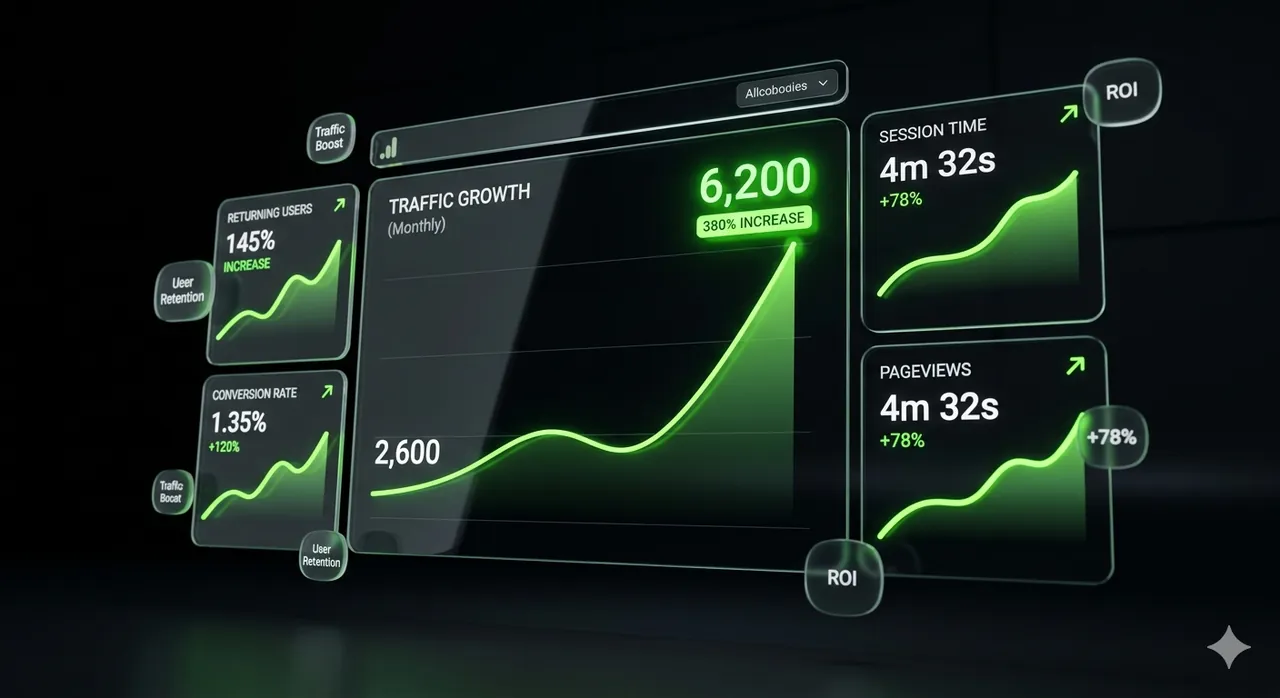
Generative engine optimization is a specific discipline. These are the five levers that decide whether an AI answer names you — or names someone else.
Entity & knowledge foundation
We make your business a clear, consistent entity across the web — the connected facts a model needs to be confident enough to name you in an answer.
Answer-shaped content
Pages written to be the definitive response to real Triad questions — structured, direct, and quotable, so a generative engine can lift you cleanly into its answer.
Structured data & schema
Machine-readable markup that spells out who you are, what you do, and where you serve — the difference between being parsed and being passed over.
Authority the models trust
Citations, reviews, and mentions that build the third-party credibility AI systems weigh before they’ll repeat a claim as fact.
Classic SEO underneath
Traditional rankings still feed the generative layer and still capture the searches that end in a click. GEO sits on top of a solid SEO base, not instead of it.
Built for the machine reader
Optimizing for a language model is a different craft than optimizing for a ranking algorithm — and being AI-native ourselves, it’s the one we’re built for. The sequence for a Greensboro engagement looks like this.
- Audit the answers — see what AI Overviews and assistants already say about your category, and who they cite
- Fix the entity — clean, consistent facts and schema so the models can identify you with confidence
- Publish answers — content engineered to be the source, not just another result
- Track the mentions — monitor where you’re getting named across generative search and keep pressing the gaps

The full stack.
Generative optimization is the frontier, but it rides on the fundamentals. Here’s what surrounds it.
Search fundamentals
The organic rankings and local presence that still feed the generative layer and capture click-through demand.
Paid search
While the generative work compounds, buy the high-intent Triad searches outright with Google Ads.
Get named before your competitor does.
30-minute strategy call. No decks. We’ll run your category through the AI answers live, show you who’s getting cited today, and map how to make it you.