AI Marketing Agency New York: Transform Your Brand with Smart Technology
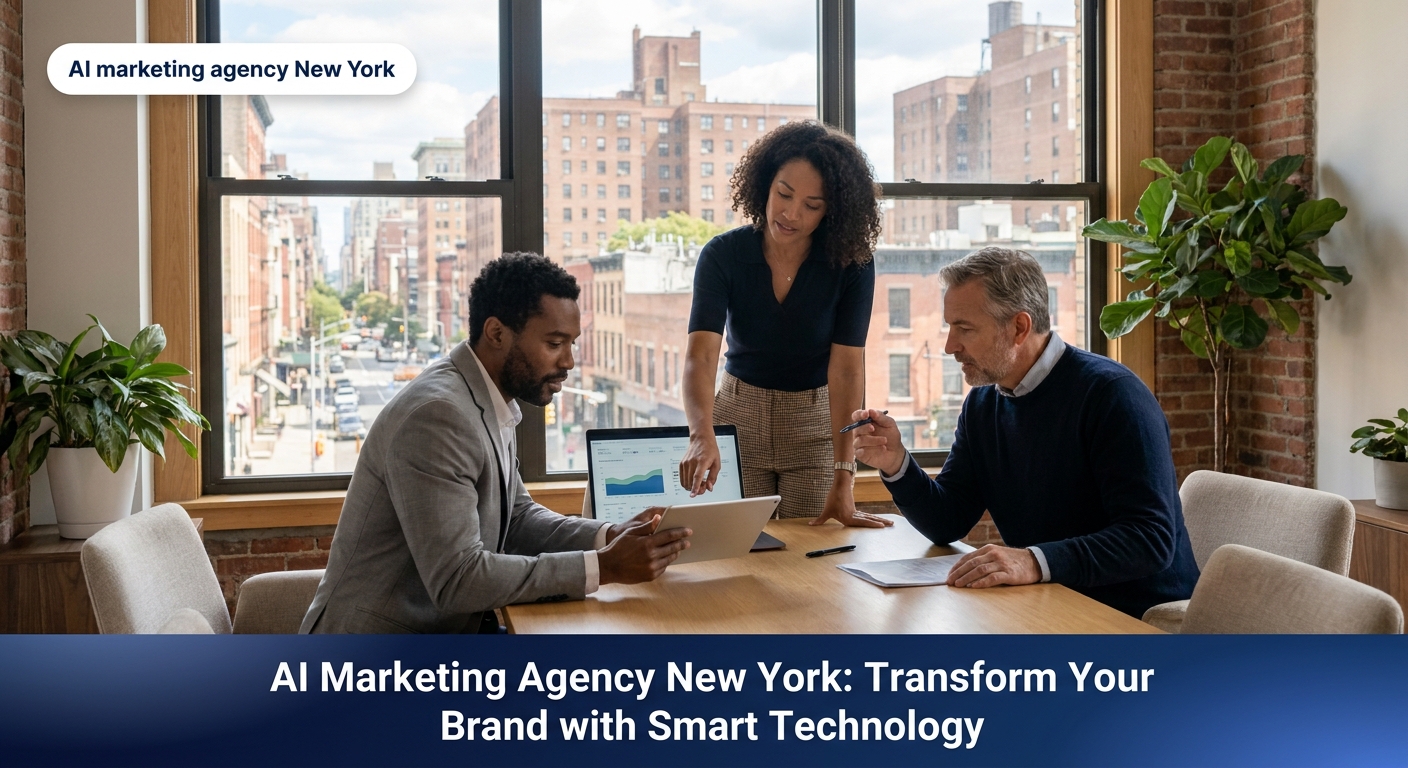
New York businesses are stuck in a weird spot. Marketing budgets keep shrinking, yet everyone expects more. Traditional agencies charge big money, but the results? Sometimes they’re worth it. Sometimes not. Meanwhile, competitors are messing around with tech that watches customer behavior minute-by-minute, cranks out personalized content faster than you can blink, and sees trends coming before anyone else does. That’s what artificial intelligence does differently. An AI marketing agency in New York isn’t just pushing campaigns out the door it’s using machine learning, predictive stuff, and automation so your money actually does something useful. Better targeting. Quicker fixes. Insights a tired analyst probably wouldn’t catch at 3 a.m. This isn’t about kicking creativity to the curb. It’s about making the good stuff work even better.
Why New York Brands Need AI Now
The city never sleeps, right? Neither does how people shop, scroll, or ignore ads. New Yorkers blow past hundreds of promotions every single day, which means attention spans are basically nonexistent. Old-school marketing can’t keep up with how fast tastes flip in Manhattan, Brooklyn, or Queens. One minute everyone’s obsessed with sustainable fashion in Williamsburg. The next, some AI art gallery pops up in Chelsea and everyone’s talking about that instead. Trying to track all this manually feels about as productive as chasing pigeons around Times Square.
AI actually fixes the speed thing. Machine learning chews through millions of data points social media likes, search habits, what people bought last Tuesday and finds opportunities before your competition even notices. A solid AI setup might figure out that your Upper West Side crowd loves video content on Wednesday mornings, or that DUMBO customers respond way better to emails than Instagram messages. These aren’t wild guesses. They’re real patterns pulled from what people actually do.
Cost makes a difference too, especially if you’re a startup or mid-sized outfit competing against companies with ridiculous budgets. AI handles boring tasks like testing different ad versions, scheduling social posts, or chopping up email lists. What used to need three people now just runs on its own, which frees up your marketers to think about strategy and creative ideas. You’re not just pinching pennies you’re moving resources to places where human brains actually matter.
Local Competition Demands Smarter Tactics
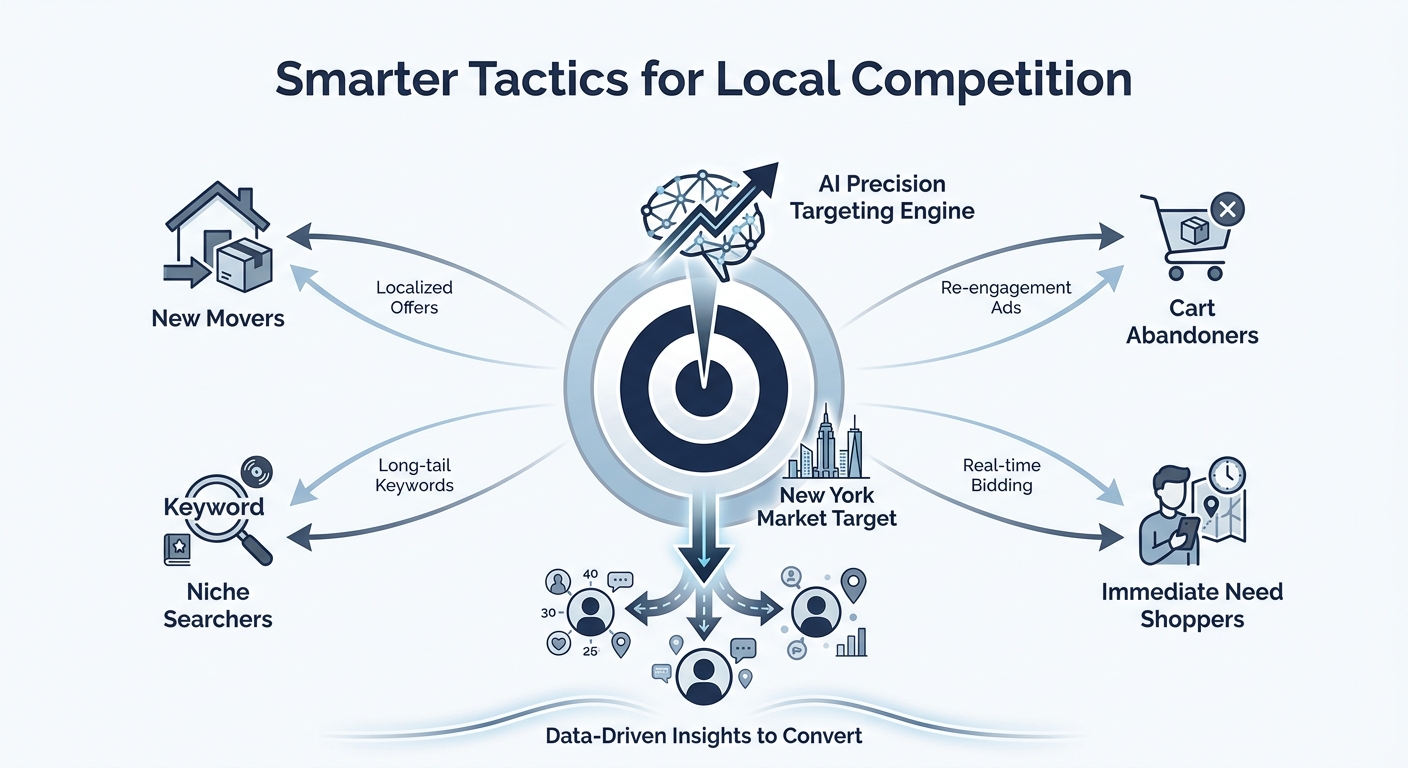
Walk down any street here and count how many businesses want the same customers. A coffee shop in Astoria fights five others within three blocks. Some boutique fitness place in SoHo competes with twenty gyms doing basically the same thing. Generic marketing won’t cut through that mess. AI helps you hunt down tiny groups people who just moved nearby, shoppers who ditched their carts halfway through, locals searching for weird services at 2 a.m. Precision turns crowded markets into something you can actually win.
What Makes AI Marketing Different
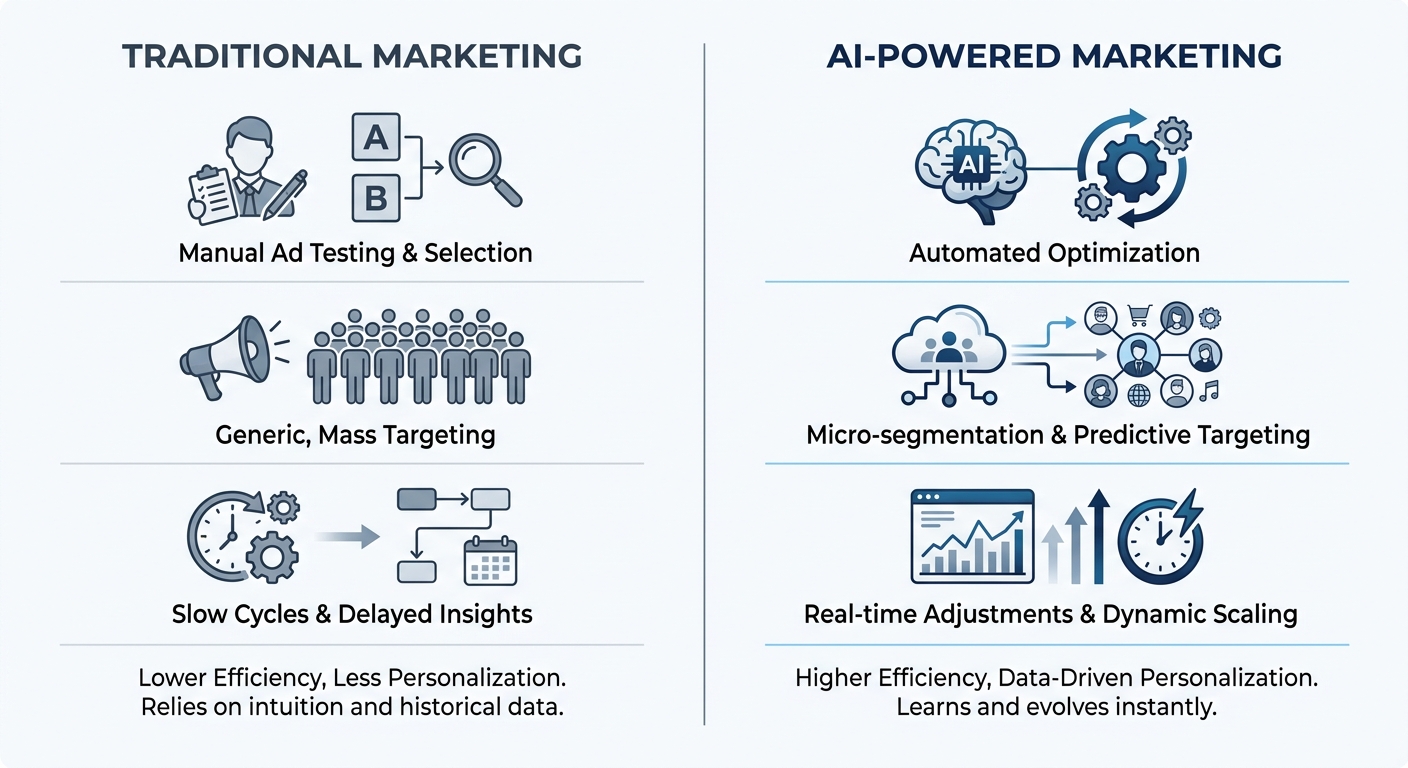
Let’s get something straight. AI marketing isn’t some sci-fi dream it’s running campaigns right now for companies from Tribeca to Staten Island. The real difference is how choices get made. Traditional agencies lean hard on old data and educated guesses. They might say, “Millennials in Brooklyn dig eco-friendly stuff,” then build a whole campaign around that hunch. Sometimes it lands. Often, it flops.
AI flips everything around. Instead of assuming things, the tech tests thousands of versions at once. It figures out which headlines get clicks, which images grab eyeballs, and which calls-to-action actually make people buy not based on some theory, but on real interactions. If your audience randomly responds better to weird humor instead of slick corporate talk, the system adjusts in hours, not weeks.
Personalization gets wild too. You know how Netflix somehow knows exactly what show you’ll binge next? AI marketing does similar stuff with ads. Someone poking around your website sees content matched to their interests, where they live, what they looked at before. A visitor from Midtown researching business software gets totally different messaging than a Bronx person hunting for home services. Both feel like you’re talking straight to them because, weirdly enough, you kind of are.
Predictive Analytics Changes Planning
Here’s where it gets fun. Advanced AI doesn’t just react to what’s happening now it guesses what’s coming next. By looking at search volume shifts, social media moods, weather patterns, local events, and economic signals, predictive models estimate when people will suddenly want your stuff. A restaurant could prep for extra takeout orders before snow hits. A shop might stock certain items before a neighborhood festival kicks off. You stop throwing darts blindfolded and start planning like you actually know things.
| Traditional Marketing | AI-Powered Marketing | Time Saved | Cost Impact |
|---|---|---|---|
| Manual campaign testing | Automated optimization | 15-20 hours/week | 30-40% reduction |
| Generic audience targeting | Micro-segmentation | 10-12 hours/week | 25-35% better ROI |
| Quarterly strategy reviews | Real-time adjustments | Continuous | 50% faster pivots |
| Manual reporting | Automated dashboards | 8-10 hours/week | 20% efficiency gain |
Finding the Right Partner Matters
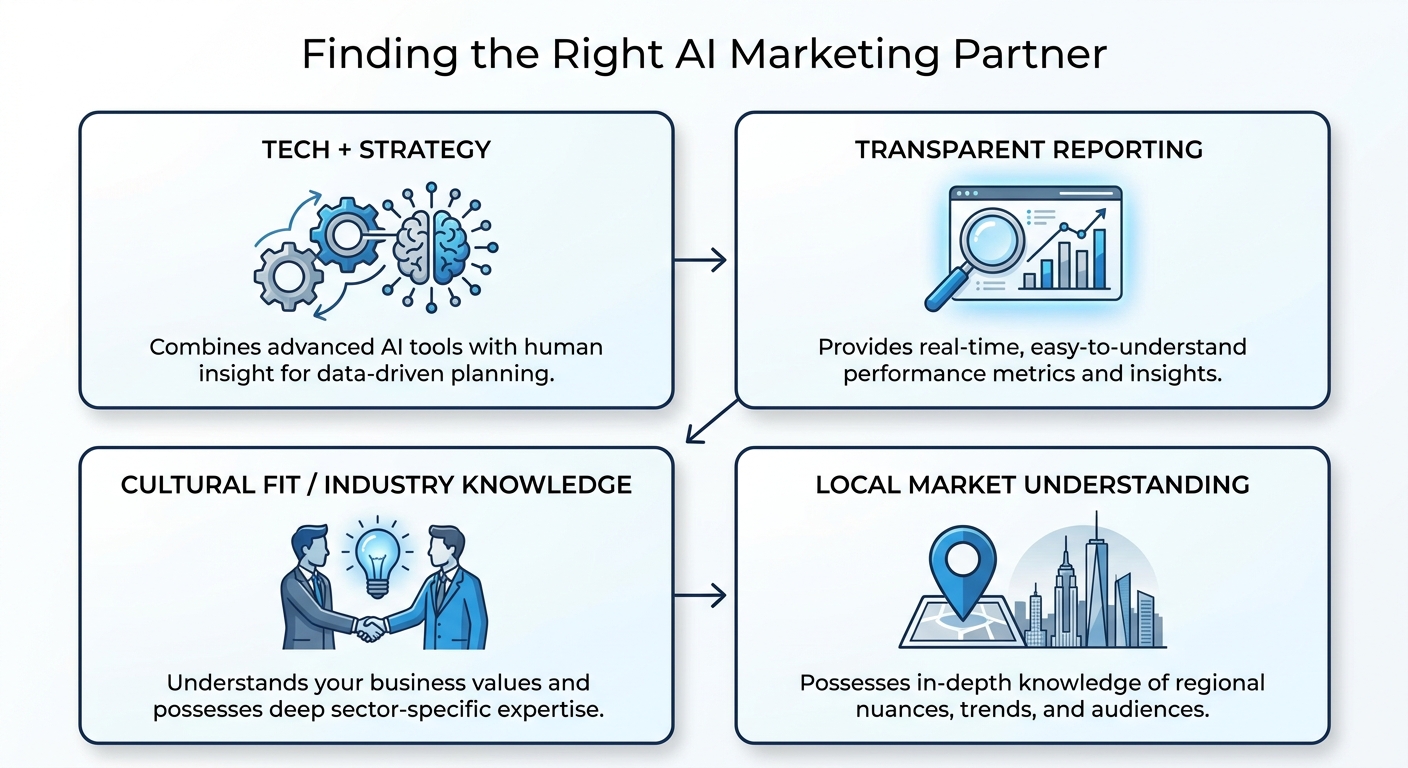
Not every AI marketing agency in New York works the same way. Some just slap “AI-powered” on their site but really they’re using basic automation anyone could set up. Others have genuinely smart tech but zero creative thinking, so campaigns feel like robots made them. The good ones mix both serious algorithms working alongside strategists who actually get how New York’s market behaves.
When you’re checking out agencies, ask real questions. Which AI platforms do they run? Can they prove results with actual case studies? Do they show you transparent reports, or hide behind fuzzy metrics that don’t mean anything? A quality shop won’t promise miracles by next Tuesday. They’ll explain how AI improves things over time, admit what it can’t do, and give you honest timelines for seeing something useful happen.
Cultural fit shouldn’t get ignored either. You need a team that understands your industry and who you’re selling to. An agency with e-commerce experience thinks way differently than one focused on B2B stuff. If they’ve worked with companies like yours or at least seem genuinely curious about your problems working together gets way easier. The AI crunches numbers, but people still need to agree on what you’re actually trying to do.
Location matters more than you’d think. Sure, remote work is everywhere now, but an agency based in New York gets local quirks. They know neighborhoods aren’t all the same, which events people care about, how seasons mess with buying habits. A company in Iowa might run decent campaigns, but they won’t instinctively understand why Upper East Side messaging needs fixing for Long Island City crowds. Local smarts plus AI creates something pretty powerful.
Common Questions About AI Marketing
Who are the big 4 AI companies?
When folks mention the “big four” in AI, they usually mean Google, Amazon, Microsoft, and IBM. These tech monsters pour billions into artificial intelligence research and build tools that marketing agencies use. Google gives you AI through ad platforms and cloud stuff. Amazon runs recommendation engines and voice search via Alexa. Microsoft bakes AI into business tools like Azure and Dynamics. IBM pushes Watson, their business-focused AI thing. But for marketing specifically, you’ll also hear about Salesforce with Einstein AI, Adobe with Sensei, and HubSpot with their AI-powered CRM tools. The landscape keeps changing as new players show up with specialized solutions.
What are the best AI agents for marketing?
A bunch of AI platforms run marketing right now. ChatGPT and similar language models help write content, brainstorm ideas, and handle customer questions. Jasper focuses on marketing copy, churning out ad text and social posts. For email, tools like Seventh Sense figure out the best times to send messages based on when each person actually opens stuff. Persado messes with emotional language in messaging, testing tons of word combinations to see what clicks. In advertising, platforms like Albert.ai and Adext run PPC campaigns on their own, tweaking bids and targeting constantly. Social media has tools like Lately, which turns long content into dozens of social posts. The “best” one depends on what you need content creation, ad management, customer insights, or automation. Most smart strategies mix several tools instead of betting everything on one.
What is the largest advertising agency in New York City?
New York has some of the planet’s biggest ad agencies, though “largest” gets tricky do you count revenue, staff, or clients? WPP, Omnicom, and Publicis Groupe all have huge operations here, running multiple agencies under their names. Specifically, outfits like BBDO, Ogilvy, and McCann (all with big New York offices) rank among the largest worldwide. Grey Advertising, which started in New York, still matters a lot. For digital work, R/GA has deep roots here. The industry constantly reshuffles through mergers and deals, so rankings shift. What matters more than size is finding an agency that matches your goals whether that’s a massive global firm or a specialized shop with AI know-how.
Making AI Work for Your Business
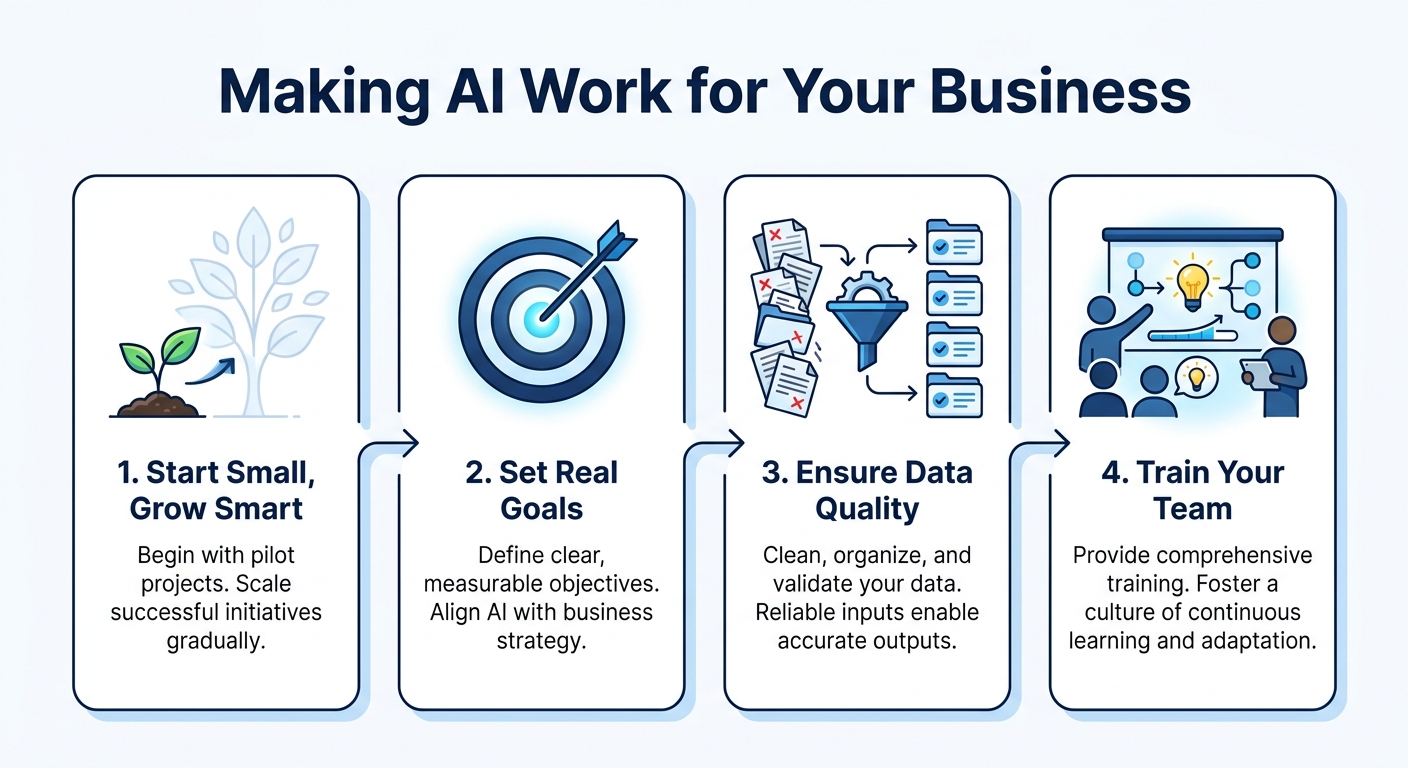
Starting with AI marketing doesn’t mean tearing everything down and rebuilding overnight. Smart businesses pick one or two high-impact spots maybe automated email campaigns or sharper ad targeting and grow from there as results show up. The tech works best when it boosts existing strengths instead of replacing your whole marketing team.
Set real goals before implementing anything. Want better quality leads? Lower costs to grab customers? Keep more people around longer? Specific targets help you figure out if AI actually delivers value or just complicates life. Don’t fall for adopting tech because it sounds cool. Every tool should fix a genuine problem you’re dealing with.
Data quality decides how well AI works. Algorithms are only as smart as the information they chew on. If your customer database is outdated, your targeting will miss. If website analytics have holes, insights will be incomplete. Cleaning up data sources before launching AI stuff prevents that garbage-in, garbage-out mess. It’s boring work but pays off when systems start making accurate guesses.
Your team needs training too. Marketing folks should understand how AI tools work not the tech guts, but enough to read results and make smart choices. An agency can handle setup, but your people should grasp why the system suggests certain moves. This stops blind trust in algorithms and helps teams notice when something looks weird.
Budget flexibility helps during the learning phase. AI gets better over time as it collects more data, so early results might look modest. Give campaigns at least three months to improve before deciding if they’re working. Agencies worth partnering with will set realistic expectations instead of promising instant magic.
Privacy and ethics need attention too. AI systems grab a lot of customer data, making rules like CCPA and GDPR really important. Work with agencies that care about transparency and respect user privacy. Customers increasingly worry about how businesses use their information, and screwing up data handling kills trust faster than any campaign can build it.

About the Author: Written by marketing technology specialists with over a decade of experience helping New York businesses implement AI solutions. Our team combines technical expertise with practical knowledge of local market conditions, having worked with companies across all five boroughs. We focus on translating complex technology into actionable strategies that drive measurable results.
The Path Forward for NYC Brands
Artificial intelligence isn’t kicking marketers out it’s changing what winning looks like. The agencies that survive in New York’s brutal landscape will mix tech skill with human creativity and real understanding of local markets. You don’t need to become an AI expert tomorrow, but ignoring these tools puts you behind competitors who are already tweaking campaigns every hour.
Start small, track everything, and grow what delivers. Whether you’re a Brooklyn startup testing your first AI-powered ad or an established Manhattan brand rebuilding your entire marketing setup, the basics stay the same. Focus on fixing real problems, respect customer data, and pick partners who see AI as a way to get better results, not some shiny object. The city’s marketing scene will keep shifting, but businesses that mix smart tech with genuine customer understanding will always find their people.